As Head of Design at Dusty Dog Marketing, a boutique web design agency based in Dorset, I’ve been reflecting on the impact of Artificial Intelligence (AI) on our industry. AI’s integration into web design has sparked both excitement and concern, raising questions about creativity, efficiency, and the future of our craft.
The Promise of AI in Web Design
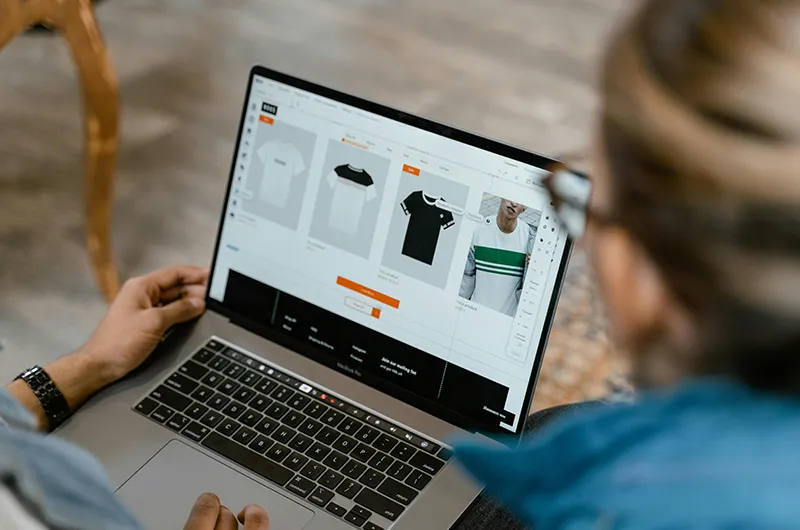
AI has undoubtedly changed the way we approach web design. Tools like Wix’s AI-driven design assistants and Figma’s “First Draft” feature allow designers to rapidly prototype and personalise user experiences. AI can automate repetitive tasks, analyse user behaviour to suggest optimal design layouts, and even generate entire websites based on a brief. These advancements save time and enable designers to focus on strategy and creativity (Wix Blog).
The Creativity vs Automation Debate
However, the growing reliance on AI in web design raises concerns about originality and artistic expression. While AI can generate designs based on data and trends, it lacks the human touch that brings personality, emotion, and cultural context to a project. Overuse of AI could lead to generic, homogenised designs that fail to capture a brand’s unique identity. Furthermore, AI struggles to interpret abstract concepts or respond to nuanced client feedback in the way a human designer can.

Finding the Balance: Augmented Design
The most effective approach is a balance between AI and human creativity. AI can handle data-driven decisions and streamline workflows, but human designers are essential for strategic thinking, storytelling, and emotional resonance. For instance, AI might suggest layout options based on user engagement metrics, but it’s the designer who ensures those choices align with the brand’s vision and audience expectations.
Conclusion
AI is reshaping the landscape of web design, offering efficiency and personalisation. However, maintaining the human element is crucial to creating designs that are both functional and meaningful. At Dusty Dog Marketing, we see AI as a tool rather than a replacement—one that enhances, rather than diminishes, the role of the designer.