Web design trends are constantly evolving, and what worked last year may not be effective today. In 2025, we’re seeing an exciting mix of aesthetics, functionality, and technology shaping the way websites are built. Here are the top 10 trends that I believe will define web design this year.
1. Minimalist & Clean Aesthetics
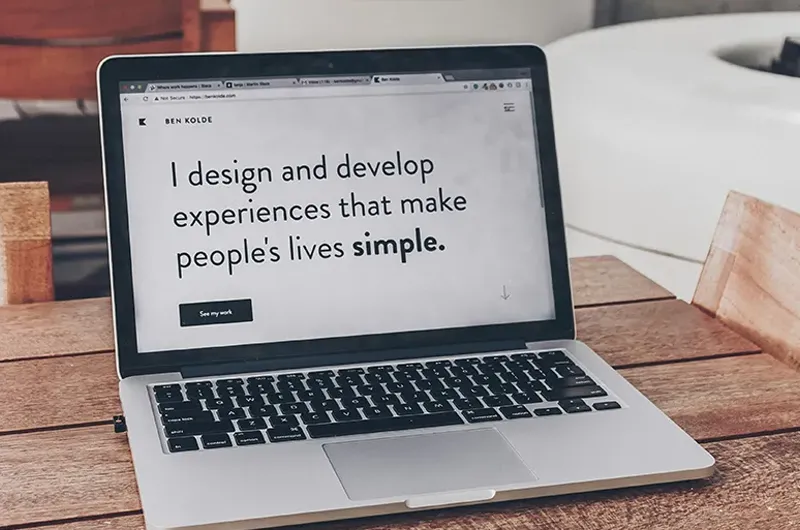
Simplicity continues to dominate. More businesses are opting for clean, distraction-free designs that focus on essential content. White space, uncluttered layouts, and subtle animations create a seamless user experience.
2. Dark Mode & Dynamic Themes
Dark mode is no longer just a preference—it’s becoming a standard. Many websites now offer automatic or user-selected dark mode options, reducing eye strain and enhancing visual appeal.
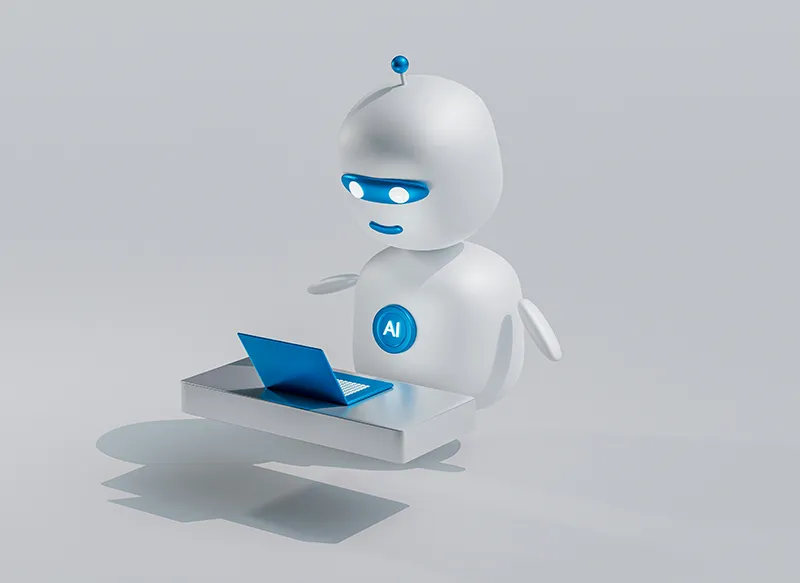
3. AI-Powered Design & Personalisation
Artificial intelligence is playing a larger role in web design, enabling personalised experiences. AI-driven content recommendations, chatbots, and automated layouts are making sites more interactive and tailored to individual users.
4. 3D & Interactive Elements
Advancements in web technology allow for the integration of 3D elements without compromising performance. Interactive 3D graphics engage users, making websites more immersive.
5. Microinteractions & Subtle Animations
Small animations—like hover effects, button transitions, and loading indicators—enhance user engagement without overwhelming the design. These subtle details make sites feel more dynamic and responsive.
6. Accessibility-First Design
Web accessibility is no longer optional. More designers are focusing on creating websites that are fully accessible to all users, including those with disabilities. Features like voice navigation, text-to-speech, and contrast adjustments are becoming standard.
7. Advanced Scrolling & Parallax Effects
Scrolling interactions, such as parallax backgrounds and animated scrolling, add depth to a website. These effects create a unique browsing experience, keeping users engaged.
8. Augmented Reality (AR) Integration
With AR gaining popularity, some websites are incorporating interactive AR experiences. This is especially useful for eCommerce, where users can visualise products in real-world settings before purchasing.
9. Sustainable Web Design
As environmental concerns grow, so does the push for sustainable web design. Optimised images, efficient coding, and green hosting solutions help reduce a website’s carbon footprint.
10. No-Code & Low-Code Development
Tools like Webflow and WordPress with builders like Divi 5 make it easier for businesses to create professional-looking sites without extensive coding knowledge. These platforms allow for quicker development and easier maintenance. We use Divi 5 on all new projects - check out our web design services.

Final Thoughts on web design trends
Web design in 2025 is all about balance—blending aesthetics with performance, accessibility, and sustainability. While trends come and go, the key is always to design with the user in mind.
If you’re looking to update your website to align with the latest trends, let’s chat and bring your vision to life!